Fueling a 100 km ride vs. a 300+ km ride: what actually changes
A 100 km ride and a 300 km ride are not just "the same thing, three times longer." The limiting factor changes as the hours add up, and a fueling plan that works well for one distance can fail badly at the other. Here is what actually shifts.
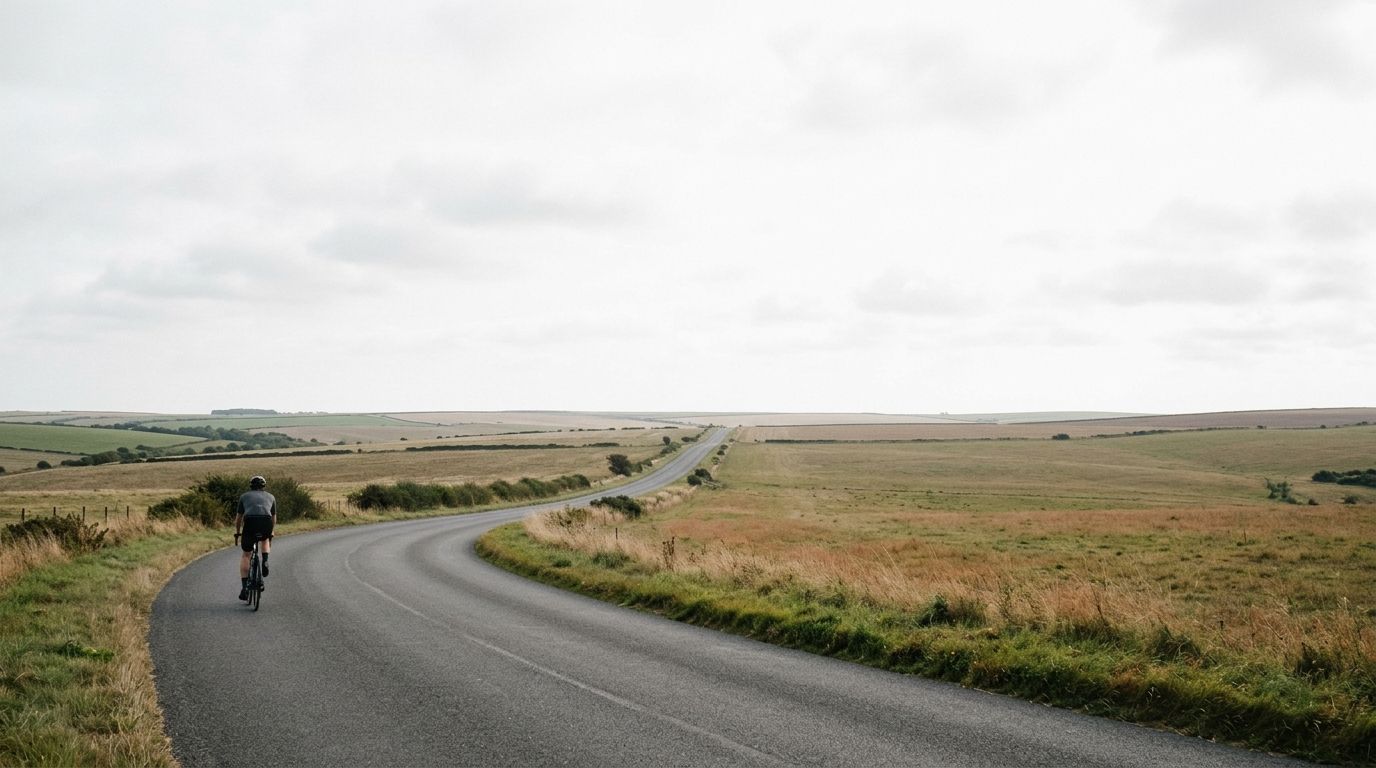
On a shorter ride — say 2 to 4 hours, roughly what a 100 km ride takes at a moderate pace — the main limit is your gut's absorption ceiling. Your intestine can only take in a certain number of grams of carbohydrate per hour, no matter how much you eat. The good news is that over a few hours, gut fatigue has not built up yet, so most riders can hold intake near the top of their trained range for the whole ride. The main risk to manage is simple: run low on carbohydrate too early and your legs will feel it in the final stretch.
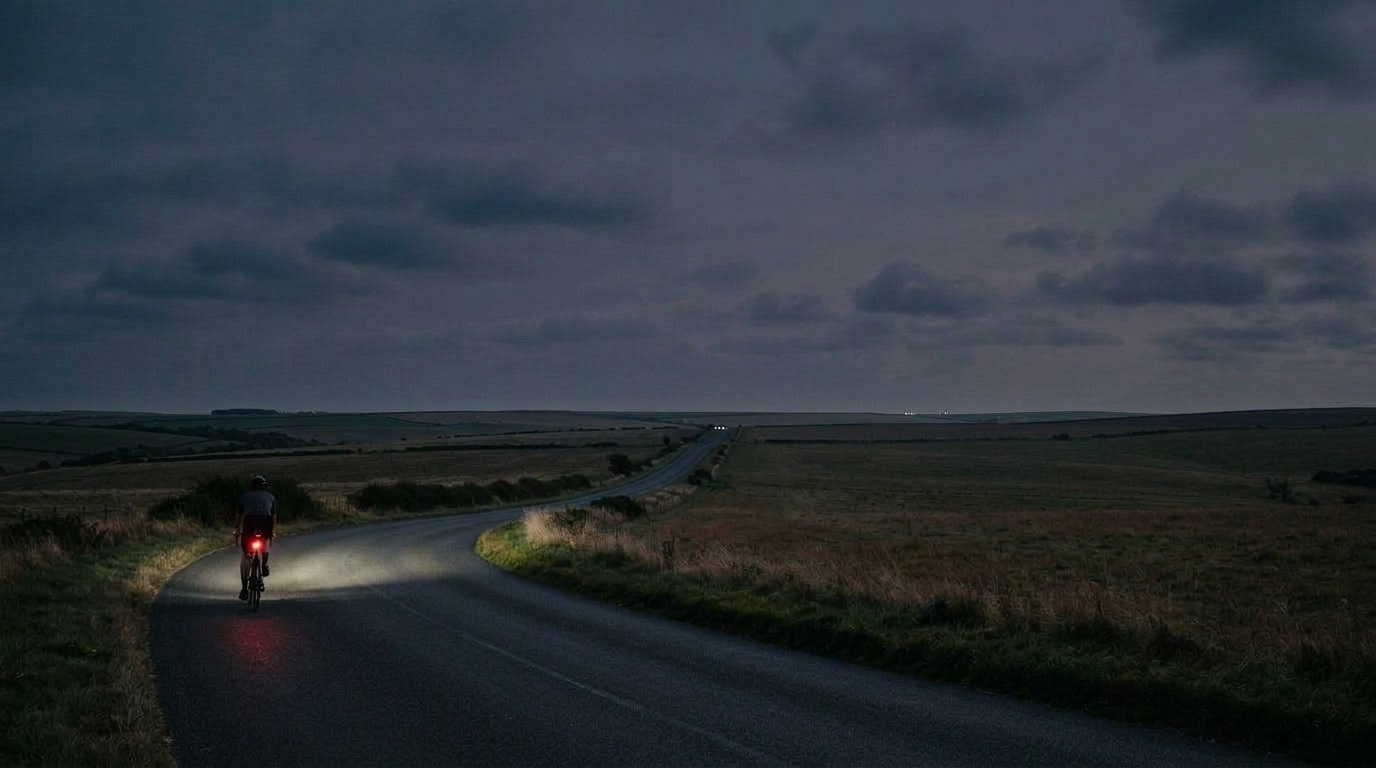
An ultra-distance ride — 8 hours or more, the kind of day a 300 km route can turn into — changes the picture. Total energy burned over the day is huge, but your average intensity naturally drops the longer you are out there. Lower intensity means your body actually needs somewhat less carbohydrate per hour than it did earlier, which eases the pure absorption-ceiling problem a bit. The bigger challenges become different: hours of continuous eating and drinking wear down your gut, and the same gel or drink mix that tasted fine at hour two can become hard to stomach by hour eight. This is sometimes called flavor fatigue. Real food and savory options — rice cakes, sandwiches, salty snacks — start to matter a lot more, simply because they give your palate a break.
Logistics scale differently too. A 100 km ride can often be fully self-sufficient — you carry everything in your bottles and pockets from the start and never need to stop. A 300 km ride usually cannot work that way: nobody carries 8 or more hours of food and drink from the first pedal stroke. Ultra-distance rides depend on planned resupply, so it is worth mapping out your refill stops in advance rather than hoping to improvise at a random shop.
Pacing and fatigue also interact in a way that a flat hourly target misses. As you slow down in the later hours of a long ride, your carbohydrate need drops along with your intensity — but at the same time, fatigue can dull your appetite and make your gut less willing to process food. A good plan has to flex in both directions: lower the target when you are going easier, but also watch for the point where your body simply does not want to eat, and adjust rather than forcing a fixed number.
For truly long efforts — ultra-endurance events, bikepacking days that run into the night — sleep and darkness add another layer. Eating and drinking discipline tends to slip when you are tired, and it is easy to forget a scheduled feed when you are half-asleep on the bike. It helps to plan overnight fueling deliberately in advance, rather than trusting yourself to remember in the moment.
Carb Fueling can model a ride either by duration or by route and pace, so the same tool scales from a 3-hour spin to an all-day ultra-distance ride — you just describe the effort and let it work out the numbers.